AI search is changing how users discover information. Platforms like Gemini and Copilot now provide direct answers by understanding and combining information from multiple sources instead of showing only traditional search results.
Getting cited by Gemini and Copilot requires more than ranking well on search engines. Gemini relies heavily on Google’s ecosystem, while Copilot uses Microsoft’s ecosystem and Bing-powered search. Understanding how each platform finds, evaluates, and references content can help improve your chances of being mentioned.
This guide explains How to get cited by Gemini and Copilot what actually works for Gemini and Copilot, including content strategies, technical improvements, brand signals, and platform-specific factors that can improve your AI search visibility.
What Are Gemini and Copilot?

Gemini is Google’s AI assistant that uses Google’s ecosystem, including Search, Knowledge Graph, and other Google services, to provide answers. It can use web information to generate responses and understand content through Google’s search infrastructure.
Copilot is Microsoft’s AI assistant that uses Microsoft’s ecosystem, including Bing Search, Microsoft Graph, and productivity tools. It is designed for both general users and enterprise environments, where it can connect with Microsoft services.
Gemini vs Copilot: How They Work Differently
Understanding Gemini vs Copilot Workflow which helps you improve your chances of being Cited by Gemini and Copilot. While both use AI to generate answers, they rely on different ecosystems, data sources, and content signals to find and reference information.
| Feature | Gemini | Copilot |
|---|---|---|
| Company | Microsoft | |
| Main Search Source | Google Search ecosystem | Bing Search ecosystem |
| AI Focus | General AI assistance, search, and Google services | AI assistance, web search, and Microsoft products |
| Content Understanding | Uses Google’s search index, entities, and structured data signals | Uses Bing index, web retrieval, and Microsoft ecosystem signals |
| Strong Signals | E-E-A-T, schema markup, Google Business Profile, Knowledge Graph | Bing visibility, Microsoft ecosystem presence, fresh web content |
| Best Opportunity for Visibility | Strong Google presence and authoritative content | Strong Bing accessibility and trusted online presence |
While both platforms aim to provide accurate AI-generated answers, they rely on different ecosystems and signals. Optimization for Cited by Gemini and Copilot both requires a combination of strong content, technical accessibility, brand authority, and platform-specific strategies.
How Gemini Finds Information
Understanding Gemini Finds Information helps improve your chances of being Cited by Gemini and Copilot. Gemini uses Google’s ecosystem, search data, and content signals like relevance, authority, and freshness to find and summarize trusted information.
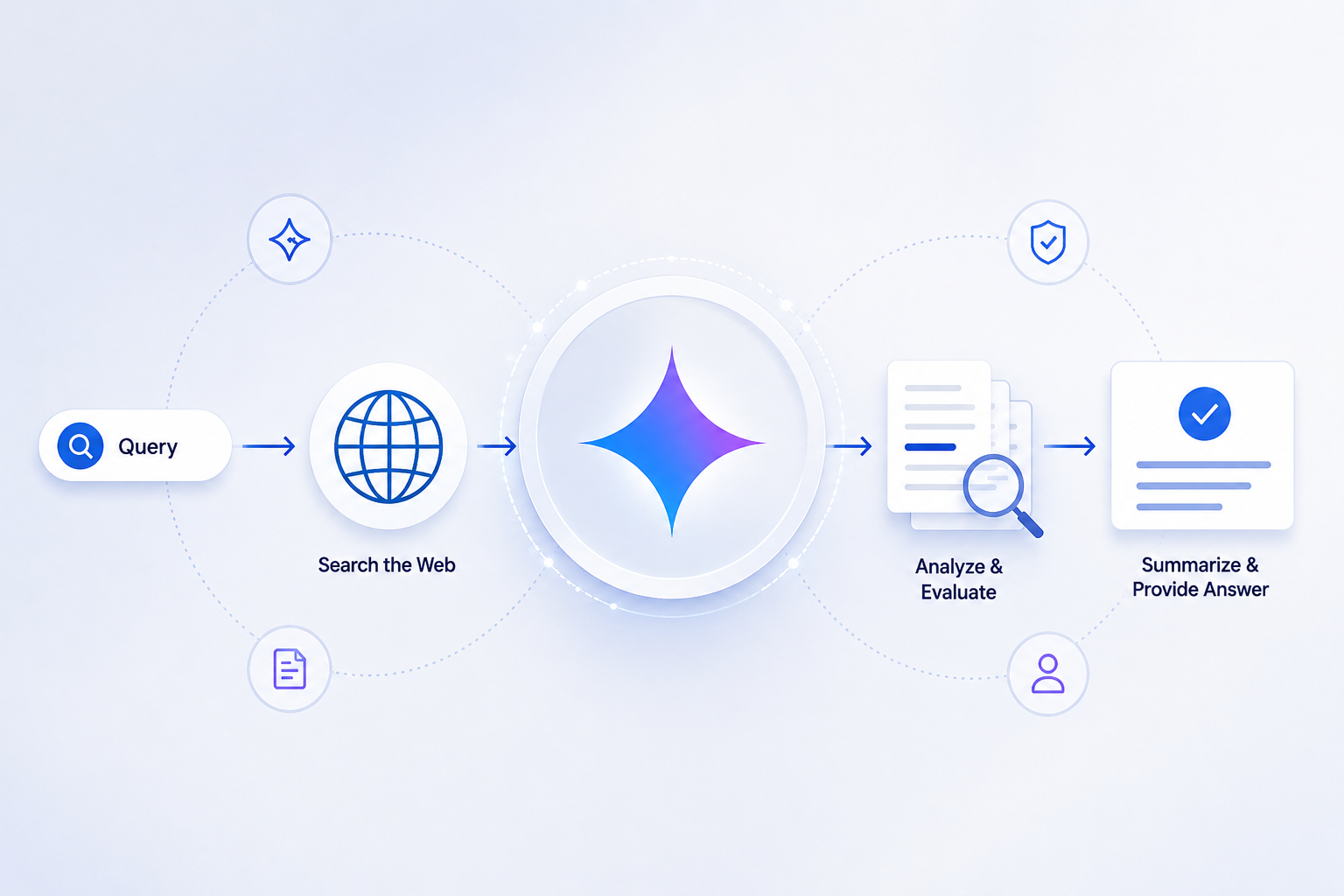
- Google’s Search Index and AI Overviews: Gemini can use Google’s search ecosystem to find relevant information from indexed webpages. Content that is accessible, helpful, and well-structured has a better chance of being considered.
- Why E-E-A-T and Structured Data Matter: E-E-A-T signals help Google understand content quality and credibility, while structured data helps identify pages, authors, organizations, and entities.
- The Importance of Google’s Ecosystem:A strong presence across Google services such as Google Business Profile, YouTube, and Google’s Knowledge Graph helps Gemini better understand your brand. Consistent business information, structured data, and authoritative mentions make it easier for Google to recognize your organization as a distinct entity across its ecosystem.
How Copilot Finds Information
Copilot finds information by combining web search, AI models, and trusted data sources to get cited by Gemini and Copilot. It analyzes content relevance, freshness, and authority to select information that best matches user queries.
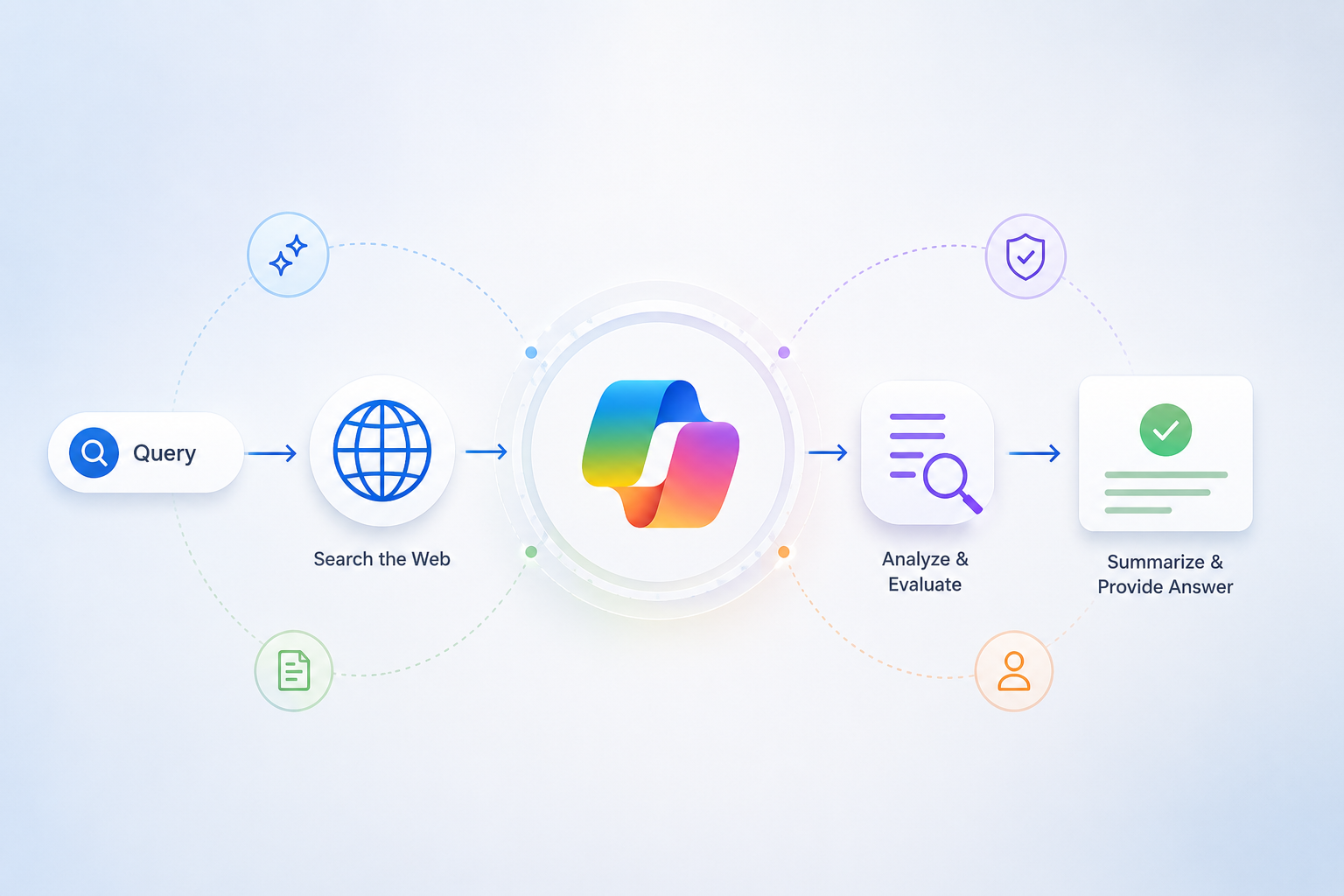
- Bing Search and Microsoft Index: Copilot uses Bing’s search index to discover and retrieve web content. Proper indexing and technical accessibility improve visibility.
- Bing Indexing and IndexNow: Copilot relies heavily on Bing’s search index for public web content. Make sure your pages are indexed in Bing Webmaster Tools and use IndexNow to notify Bing whenever you publish or update important content. Faster discovery can help Bing surface fresh information sooner, which may improve your visibility in Copilot for time-sensitive topics.
- Live Web Retrieval: For recent or changing information, Copilot can access live web sources. Fresh and accurate content has a better chance of being referenced.
- Microsoft Ecosystem and Enterprise Context: Copilot benefits from Microsoft’s ecosystem, including Microsoft 365 and enterprise data connections, making trusted business information valuable.
How to Improve Your Chances of Being Cited by Both
AI search engines like Gemini and Copilot are changing how users discover information by generating answers from trusted sources. To get Cited by Gemini and Copilot, your content needs to be clear, trustworthy, and easy for AI systems to understand and extract.
While there is no guaranteed way to earn citations, optimizing content structure, improving authority signals, and following AI-friendly practices can increase your chances of being referenced in AI-generated answers.
Publish Helpful, Original Content
Create unique, accurate content that provides real value instead of rewriting existing information. Add original insights, examples, and expert perspectives to improve credibility.
Answer Questions Clearly
Provide direct answers to user queries and explain topics in a simple way. Structure content around search intent so AI systems can easily understand and reference it.
Use Simple Content Structure
Use clear headings, short paragraphs, and organized sections to make important information easy for both users and AI systems to extract.
Add Author and Organization Information
Include author bios, credentials, and organization details to improve trust and content attribution. Use structured data to help AI systems understand entities and relationships.
Build a Trusted Brand
Maintain consistent brand information across your website and online profiles. Earn mentions from trusted sources to strengthen authority and brand recognition.
Keep Your Content Updated
Regularly review and refresh outdated content. Update facts, statistics, and examples to maintain accuracy and relevance.
What Works for Gemini but May Not Matter as Much for Copilot
Google Ecosystem Signals (Business Profile, Maps, YouTube Presence):
Build a strong presence across Google platforms like Google Business Profile, Maps, and YouTube to help Gemini better understand your brand and relevance.
AI Overview Visibility Supports Gemini:
Gemini and Google AI Overviews share Google’s search infrastructure and AI models. Content that performs well in AI Overviews often demonstrates the same qualities Gemini values, including clear answers, strong E-E-A-T signals, structured content, and authoritative sources.
Entity Recognition in Google’s Knowledge Graph:
Maintain consistent brand information, use structured data, and earn trusted mentions to help Google recognize your brand as a clear entity.
What Works for Copilot but May Not Matter as Much for Gemini
Bing Webmaster Tools and IndexNow:
Monitor crawling, indexing, and site health through Bing Webmaster Tools. Submit new and updated pages using IndexNow so Bing can discover content faster. Since Copilot relies on Bing’s search ecosystem for public web retrieval, improving Bing visibility can directly support Copilot visibility.
LinkedIn and Microsoft Ecosystem Presence:
Build a presence across LinkedIn and Microsoft platforms to strengthen brand recognition, especially for business and enterprise queries.
Real-Time Freshness and Live Retrieval:
Keep content updated and easily accessible because Copilot can use live web retrieval for current information.
How to Check if Gemini or Copilot Mentions Your Brand
Tracking AI mentions helps you measure your visibility and improve your chances of being Cited by Gemini and Copilot. You can check brand mentions by testing relevant queries, monitoring AI responses, and analyzing how these platforms reference your content.
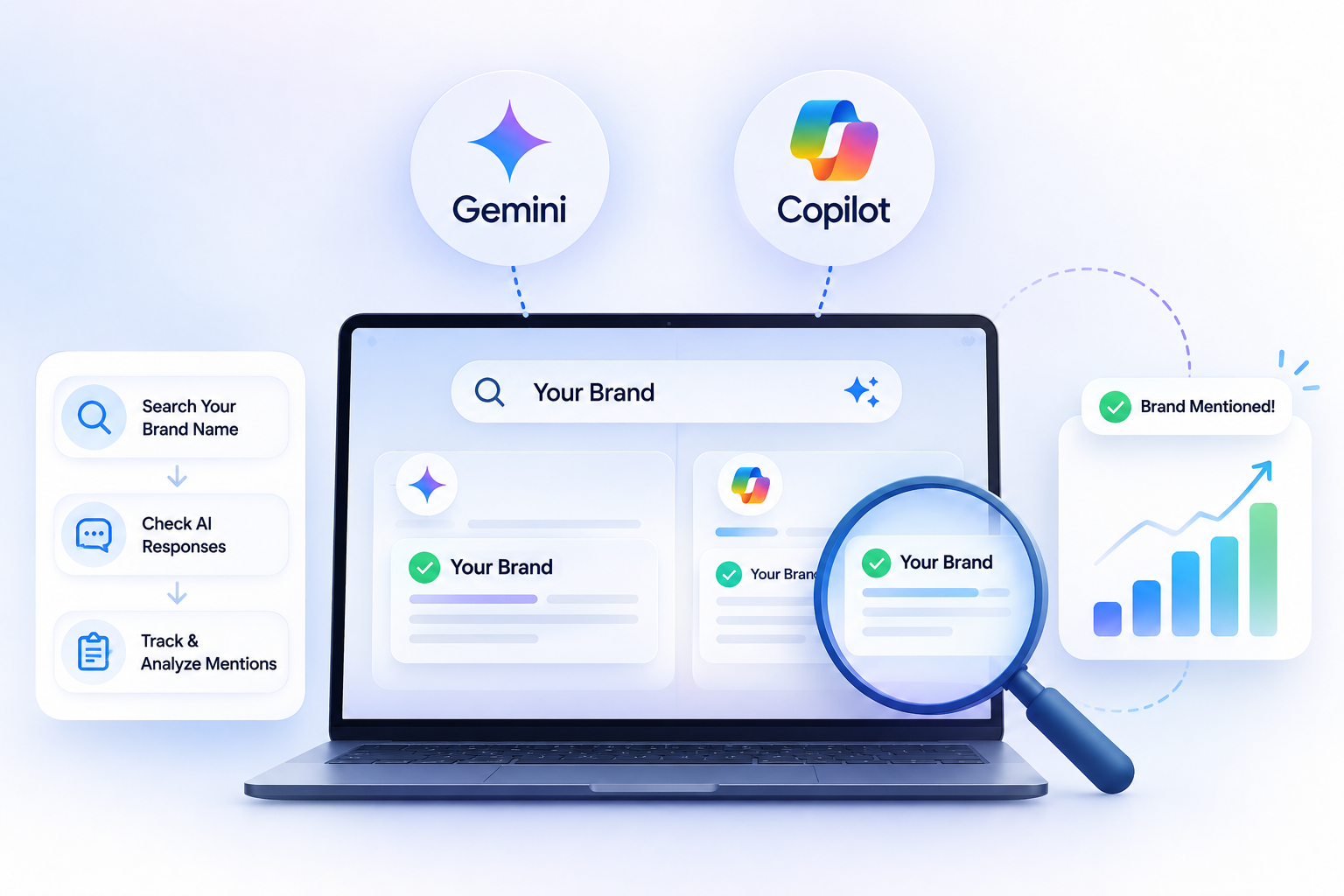
Search Your Brand Directly:
Ask Gemini and Copilot questions about your brand, products, or industry to see whether your website or brand is mentioned.
Test Relevant Queries:
Search for topics related to your expertise and check if either platform references your content as a source.
Monitor AI Visibility Tools:
Use AI tracking tools to monitor brand mentions, citations, and visibility across AI search platforms.
Compare Results Over Time:
Regularly check changes in mentions and citations to understand how your AI visibility improves or declines.
Common Mistakes to Avoid
Avoiding common mistakes is important to improve your chances of being Cited by Gemini and Copilot. Issues like unclear content, weak authority signals, and poor structure can make it harder for AI systems to understand and reference your brand.
- Assuming One Strategy Fits Every AI Platform: Gemini and Copilot use different ecosystems and signals. A strategy that works for one platform may not deliver the same results on another.
- Ignoring Google or Bing Indexing: Ensure your content is discoverable through both Google and Bing, as these search ecosystems influence AI visibility.
- Publishing Thin Content: Create detailed, helpful, and original content instead of low-value pages that provide little information.
- Neglecting Brand Authority: Build trust through consistent brand information, expert content, and mentions from reliable sources.
- Forgetting to Update Content: Regularly refresh outdated content to maintain accuracy and improve your chances of being referenced by AI platforms.
Frequently Asked Questions
-
Does Gemini use Google Search?
Yes. Gemini can use Google’s search ecosystem and other Google services to provide updated information and understand content.
-
Does Copilot use Bing?
Yes. Public Copilot uses Bing’s search ecosystem for web retrieval. For Microsoft 365 users, Copilot can also use an organization’s internal documents, emails, and other Microsoft data sources.
-
Can the same SEO strategy work for both?
Yes, many fundamentals overlap, such as helpful content, technical SEO, E-E-A-T, and strong brand signals. However, each platform has different ecosystem-specific signals.
-
Does schema markup help Gemini and Copilot?
Schema markup helps search engines understand your content more accurately. While it doesn’t directly improve rankings, it can improve how AI systems interpret pages, authors, organizations, and products.
-
How can I increase my chances of being cited?
Create high-quality content, make your website accessible, build authority, maintain consistent brand information, and keep content updated.
-
Which is better for AI search visibility, Gemini or Copilot?
Neither is universally better. Gemini may benefit more from Google’s ecosystem, while Copilot benefits from Microsoft’s and Bing’s ecosystem. The best approach is to optimize for both.
-
Do Gemini and Copilot cite the same sources as Google’s AI Overviews?
Not always. Each platform uses different systems, retrieval methods, and source selection processes, so cited by gemini and copilot can vary.
Final Thoughts
Getting cited by Gemini and Copilot requires optimizing for two different search ecosystems. Gemini closely follows Google’s search infrastructure, while Copilot relies on Bing for public web content and Microsoft services for enterprise experiences
Focus on creating clear, extractable content, maintaining strong technical SEO, building trusted brand signals, and ensuring your website is visible in both Google and Bing. Although no strategy guarantees citations, these practices improve your chances of being referenced across both AI platforms.

Shanya
Hi, I'm Shanya, an SEO and content writer at RankingBite. I specialize in creating SEO-focused content around search, AI, cybersecurity, and digital marketing. I enjoy turning complex topics into clear, useful content that helps brands build visibility, connect with their audience, and grow their digital presence.