

SEO is not dead; zero-click search changed the payout, not the mechanism. Google still ranks pages, and AI Overviews still pull their sources from the same Search index. Fewer searches end in a click, and the searches that do click carry stronger intent.
SEO looks dead to many marketers because one number collapsed: organic click-through rate (CTR) on informational queries. That number fell because Google now answers the question above the results, and the answer comes from ranked pages.
The sections below show what zero-click search changed, what the data says, what still works in SEO, what to do instead of chasing rankings, and which metrics replace traffic.
Is SEO Really Dead?
No. SEO is not dead in 2026. Google Search still processes billions of queries a day, AI Overviews cite pages from the Search index, and organic conversions still close revenue.
Google confirmed the mechanism in its official guide to generative AI features, published on May 15, 2026: AI Overviews and AI Mode are rooted in Google’s core ranking and quality systems. There is no separate AI index. A page Google cannot crawl and index cannot be cited.
Why Do People Think SEO Is Dead?
Marketers believe SEO is dead because the warning signs showed up in the same quarter, on the same dashboards. Three signals arrived together:
- Traffic dropped on informational content. Blogs and guides lost clicks first.
- Impressions rose while clicks fell. The pattern looked like a penalty, but a core update usually pulls impressions and clicks down together.
- AI assistants answered without links. ChatGPT and Perplexity removed the visible referral for many questions.
Each signal is real. None of them removes the ranking layer underneath.
What Does the Data Actually Show?
The data shows a click decline concentrated on informational queries, not a decline in search itself. In a study of 68,879 Google searches by US adults in March 2025, users clicked a traditional result on 8% of visits when an AI summary appeared, against 15% when none appeared. That is a 47% relative drop in click rate.
The drop is uneven. Informational “what is” queries trigger AI Overviews far more often than commercial and transactional queries, so pages built around comparisons, pricing and purchase decisions kept more of their clicks. Pages outside the top 10 can also earn AI Overview citations when they answer a sub-question better than the pages above them.
How Did AI Overviews and Zero-Click Search Change SEO?
AI Overviews and zero-click search changed where the answer appears, not where it comes from. Google now shows the answer on the results page, built from the same indexed pages that rank below it. The page still does the work, even when the searcher never visits it.
What Is Zero-Click Search?
Zero-click search is a search session that ends without a click to any external website. The searcher reads the answer inside Google and stops. Between January and April 2026, 68% of US Google searches ended without a click. The 2024 figure of roughly 60% came from a different clickstream panel, so the two numbers show direction rather than an exact trend.
Zero-click predates AI. Weather boxes, definitions and featured snippets built it, and AI Overviews expanded it to full explanations.
How Did Search Become Answer-First?
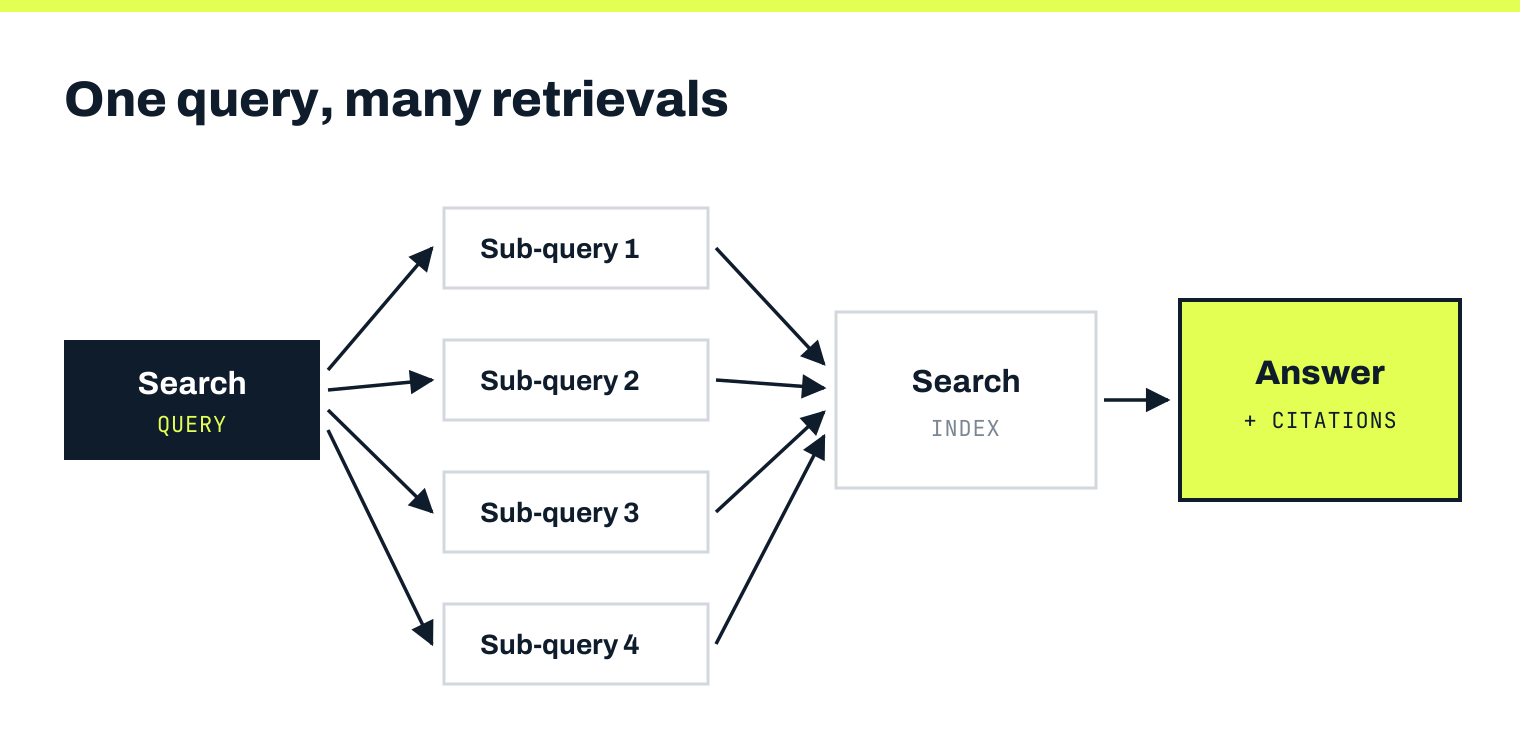
Google Search now leads with a synthesized answer on informational queries. Two mechanisms produce it:
- Retrieval-augmented generation (RAG). Google pulls live pages from the Search index and summarizes them with citation links.
- Query fan-out. Google expands one query into several sub-queries, then retrieves sources for each.
Query fan-out rewards depth. A page covering a full topic can earn citations for sub-questions it never targeted directly.
Which Clicks Did AI Overviews Take?
AI Overviews reduced clicks on informational queries and left most transactional clicks intact. The reduction targets the top of the funnel: “What is X” lost clicks, while “Best X for Y under ₹50,000” kept them.
What Has Zero-Click Search Actually Changed?
Zero-click search changed three things at once: the number of targets, the value of a ranking and the way performance is measured. The underlying work stayed the same, but each of these now needs its own plan.
Search Optimization Now Has Two Targets

Search optimization now carries two targets: ranking in the index and earning citation inside AI answers. Ranking feeds retrieval, retrieval enables citation, and one workflow serves both.
Google addressed the vocabulary in its May 2026 guide: Answer Engine Optimization (AEO) and Generative Engine Optimization (GEO) are, for Google Search, still SEO. The guide lists tactics to skip, including llms.txt files, content chunking, AI-specific markup and inauthentic mentions. The targets split. The discipline did not.
Why Does Ranking Alone No Longer Guarantee Visibility?
Ranking guarantees eligibility for retrieval, not visibility in the answer. AI Overviews increasingly cite pages outside the organic top 10, so position 1 now delivers a smaller share of a smaller click pool. A page that ranks and gets cited captures both.
Why Is SEO Performance Harder to Measure?
Google Search Console reports impressions and clicks, but it does not report whether an AI Overview appeared or whether a page was cited inside it. Rank trackers report position, and position no longer predicts citation.
Content now appears on three surfaces: organic results, AI Overviews and AI Mode. AI Mode and AI Overviews often cite different URLs for the same query, so each surface needs its own measurement.
What Still Works in SEO?
Most of classic SEO still works, because Google’s AI features run on the same ranking and quality systems as regular results. Content, brand, technical health, topical depth and links still decide which pages get retrieved. The difference is that each one now earns citations as well as rankings.
Helpful, People-First Content
Non-commodity content earns citations, and commodity content does not. Google’s May 2026 guide names unique, expert-led content as a primary driver of visibility in generative AI search.
Commodity content restates public knowledge that a language model can generate without reading the page. Non-commodity content carries original data, first-hand results, named expertise and a documented point of view.
Strong Brand Authority
Brand authority produces the one query class AI Overviews rarely intercept: branded search. Branded queries route straight to the brand’s site.
Brand authority also feeds citation. Generative systems read text, so unlinked mentions across press, forums, Reddit and YouTube corroborate the brand as an entity.
Technical SEO
Technical SEO controls retrieval, and retrieval controls citation. Five requirements serve both targets, which a technical audit checks:
- Crawlable, server-rendered content
- Clean information architecture and internal linking
- Fast, stable page delivery
- Structured data, which Google says is not required for AI features but still recommends
- Semantic HTML and accessibility markup, which browser agents read
Topical Authority
Topical authority determines how stable citations are. Sources that cover a topic consistently earn more predictable citation placements than sources optimizing single pages.
Query fan-out amplifies this. One deep page covering a complete task retrieves for many sub-queries, while five thin pages covering keyword variants compete with each other.
High-Quality Backlinks
Backlinks still feed the ranking systems that AI features run on. Volume-based link acquisition carries the same demotion risk as before, and a demoted site drops out of the citation pool. Editorial links from topically relevant sources outperform directory volume.
What Should You Do Instead of Chasing Rankings?
Rankings still matter, but they are now a means rather than the goal. The goal is citations, demand and revenue, and four moves get there.
Optimize for AI Visibility
Build a prompt set of 30 to 50 questions buyers ask. Run each prompt through AI Overviews, AI Mode, ChatGPT and Perplexity, and record which domains earn citations.
Then restructure pages for extraction: a direct answer within the first 100 words of each section, question-based headings and specific figures instead of adjectives.
Target Commercial Intent Keywords
Commercial and transactional queries trigger AI Overviews less often and convert more. Shift content investment toward comparisons, pricing pages, product decisions and case studies with real numbers. These formats resist synthesis and sit closer to revenue.
Build a Recognizable Brand
Entity clarity decides whether a model stakes an answer on a brand. Four signals build it, and entity SEO ties them together:
- One canonical brand name used consistently across the web
- Organization and Person schema with sameAs links to authoritative profiles
- Author bylines with real credentials
- Google Business Profile and Merchant Center feeds, which Google recommends for local and shopping queries
Measure Business Outcomes Instead of Clicks
Sessions measure the wrong target when AI answers the question. Revenue, pipeline and qualified leads measure the right one. Conversion rate per visit often rises when low-intent traffic moves to the summary layer.
Which SEO Metrics Matter Now?
Sessions alone now understate what search delivers. A page can be cited in an AI answer, remembered and searched for by name weeks later, with no click in the original session. The metrics below capture that value.
Organic Conversions
Organic conversions measure revenue from search, independent of session volume. Traffic fell on informational queries, while conversions from commercial queries held. Report the second number.
Branded Search Growth
Branded search volume shows whether AI visibility turns into demand. A brand cited across AI answers without clicks still generates branded searches later. Track branded impressions in Search Console every month, split from non-branded queries.
AI Visibility
AI visibility measures citation rate per surface and share of voice against competitors on the prompt set. Track AI Overviews, AI Mode, ChatGPT and Perplexity separately with citation tracking, because each surface cites different sources.
Qualified Organic Traffic
Qualified organic traffic counts visits from commercial and branded queries, not total sessions. This segment held up through the rise of zero-click search. Segment Search Console by query type to isolate it.
Assisted Conversions
Assisted conversions capture AI-influenced revenue that arrives without an attributable referral. A buyer reads a citation, searches the brand and converts three days later. Multi-touch attribution records that path.
FAQ
1. Will organic traffic return to 2022 levels?
No. Top-of-funnel informational volume has moved to the summary layer. Commercial and branded traffic remains available.
2. Does ranking #1 still matter?
Yes. Position 1 feeds retrieval and still earns clicks on searches that show no AI Overview. It no longer guarantees citation.
3. Should AI crawlers be blocked?
It depends on the crawler. Blocking Google-Extended does not remove pages from AI Overviews or AI Mode, which use the Search index. Blocking an assistant’s search crawler, such as OAI-SearchBot, removes pages from that assistant’s cited results.
4. Is an llms.txt file needed?
Not for Google Search. Google’s May 2026 guide says AI text files and Markdown versions get no special treatment. A file can still help other AI tools or developer documentation tooling that reads it.
Conclusion
SEO is not dead. Zero-click search moved the reward from clicks to citations, brand recall and qualified conversions. The index still decides retrieval, ranking systems still decide citation, and quality signals decide both.
The response is not a new discipline. It is SEO measured against business outcomes: commercial intent, entity clarity, technical retrieval and content only the brand’s own team can produce.